What is a workplace safety plan
A workplace safety plan is a written document that identifies hazards in your workplace and describes the procedures, training, and equipment your business uses to prevent injuries and illnesses. It is not a suggestion — it is a legal requirement under OSHA's General Duty Clause for every employer in the United States.
Your safety plan is also your primary evidence of compliance during an OSHA inspection. Without one, you are essentially admitting you have not assessed your workplace hazards or taken steps to protect your employees.
Who needs a workplace safety plan
Every business with one or more employees needs a safety plan. There are no exemptions based on industry, size, or perceived risk level.
Some states go further and require specific written programs:
- California: Requires an Injury and Illness Prevention Program (IIPP) for all employers
- Washington: Requires a written Accident Prevention Program (APP)
- Oregon: Requires a safety committee or safety meetings for all employers with 10+ employees
- New York: Requires written workplace violence prevention programs for some industries
- Minnesota: Requires an A Workplace Accident and Injury Reduction (AWAIR) program
Even in states without specific written program mandates, OSHA's federal standards require written plans for many hazards (HazCom, lockout/tagout, bloodborne pathogens, etc.).
Core components of every safety plan
1. Management commitment and employee involvement
Your plan should start with a clear statement from management committing to workplace safety. This is not just a formality — OSHA inspectors look for evidence that safety is a genuine priority, not just a binder on a shelf.
- Name the person responsible for safety program management
- Describe how employees can report hazards and participate in safety decisions
- Commit to providing resources (training time, equipment, PPE) for safety
2. Hazard identification and assessment
Walk through your workplace and document every hazard. Be thorough and specific:
Physical hazards: Slippery floors, sharp equipment, hot surfaces, moving machinery, noise, ergonomic risks
Chemical hazards: Cleaning products, solvents, fumes, dust, gases
Biological hazards: Bloodborne pathogens, mold, bacteria, allergens
Environmental hazards: Temperature extremes, poor lighting, inadequate ventilation
Ergonomic hazards: Repetitive motions, heavy lifting, awkward postures, prolonged standing
For each hazard, document:
- Where it exists in your workplace
- Who is exposed
- How severe a resulting injury could be
- What controls are in place to mitigate it
3. Hazard prevention and control
For every hazard you identify, describe how you control it using the hierarchy of controls:
- Elimination: Remove the hazard entirely (replace a dangerous chemical with a safe alternative)
- Substitution: Replace with something less hazardous
- Engineering controls: Physical changes to the workplace (guards, ventilation, barriers)
- Administrative controls: Policies and procedures (job rotation, work schedules, training)
- PPE: Personal protective equipment as a last line of defense
4. Employee training
Document your training program including:
- What topics are covered
- When training occurs (new hire, annual refresher, when hazards change)
- How training is delivered (classroom, hands-on, video)
- How comprehension is verified
- Training record retention procedures
5. Emergency procedures
Every safety plan needs emergency response procedures:
- Emergency evacuation routes and assembly points
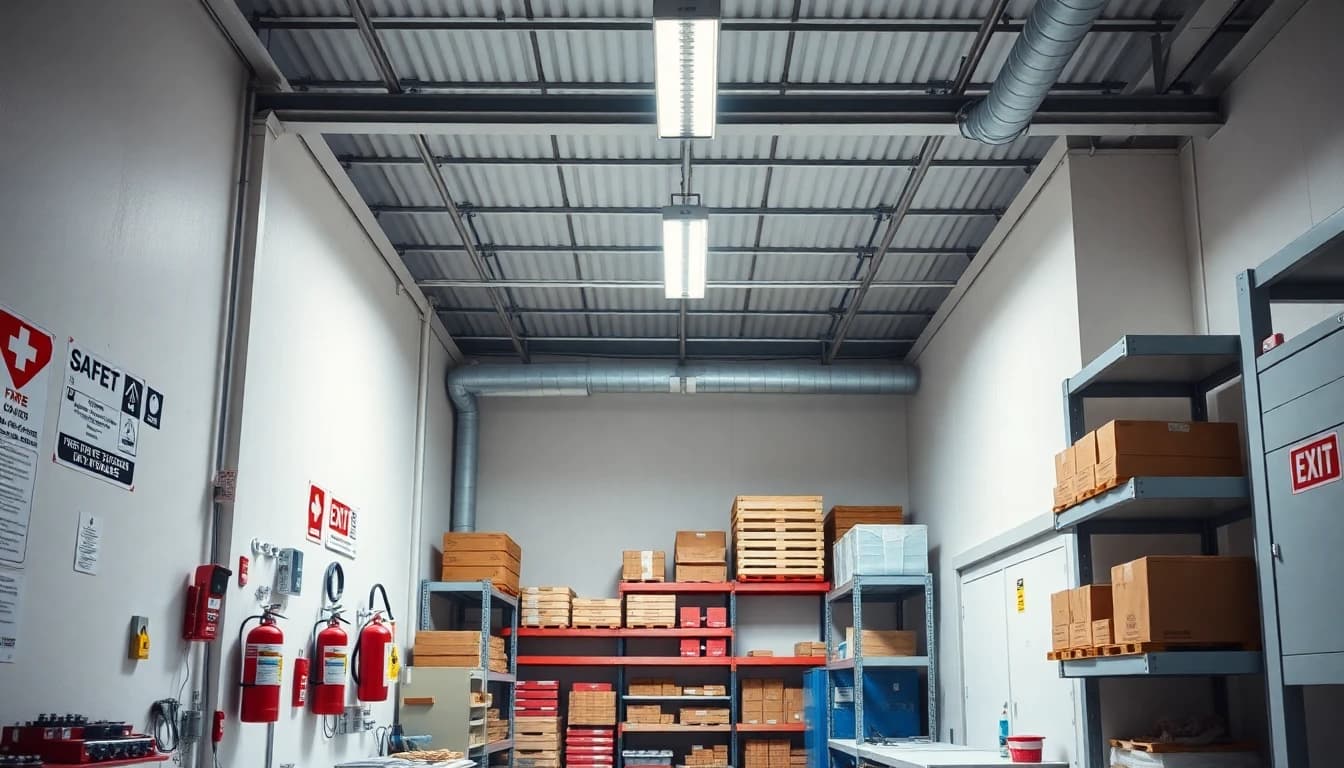
- Fire response procedures and extinguisher locations
- First aid procedures and supply locations
- Severe weather procedures
- Medical emergency response (who calls 911, who provides first aid)
- Utility shutoff locations and procedures
6. Recordkeeping
OSHA requires specific records:
- OSHA 300 Log: Record of work-related injuries and illnesses (required for employers with 10+ employees in most industries)
- OSHA 300A Summary: Annual summary posted February 1 through April 30
- OSHA 301 Forms: Individual incident reports
- Training records: Dates, topics, attendees, trainer information
7. Program evaluation and improvement
Your safety plan should describe how you review and improve your safety program:
- Annual safety plan review and update
- Post-incident investigations and corrective actions
- Regular workplace inspections (weekly or monthly walk-throughs)
- Employee feedback mechanisms
Industry-specific safety plan requirements
Different industries face different OSHA standards:
Restaurants and food service
- Hazard Communication (chemicals)
- Fire prevention
- Burn and cut prevention
- Slip, trip, and fall prevention
- Food safety (separate from OSHA but often included)
Construction and contracting
- Fall protection (leading cause of construction deaths)
- Scaffolding safety
- Electrical safety
- Trenching and excavation
- Personal protective equipment
Healthcare and clinics
- Bloodborne pathogen exposure control
- Hazardous drug handling
- Patient handling and ergonomics
- Workplace violence prevention
- Tuberculosis exposure control
Salons and personal services
- Chemical safety and ventilation
- Bloodborne pathogen exposure control
- Ergonomic hazard prevention
- Electrical safety
- Slip, trip, and fall prevention
What happens during an OSHA inspection
Understanding OSHA inspections helps you prepare:
- Opening conference: Inspector presents credentials and explains scope
- Walk-around: Inspector tours your workplace looking for hazards
- Document review: Inspector asks to see your safety plan, training records, OSHA logs
- Employee interviews: Inspector may interview employees privately
- Closing conference: Inspector discusses findings and potential citations
What inspectors look for in your safety plan
- Is the plan specific to your workplace, or is it a generic template?
- Does it address the actual hazards present?
- Are training records current and complete?
- Have employees actually been trained on the plan contents?
- Has the plan been reviewed and updated recently?
How ComplyStack builds your safety plan
Creating a thorough safety plan from scratch requires understanding OSHA standards, your state's specific requirements, and the hazards unique to your industry. ComplyStack generates customized workplace safety plans based on your business type, state, and employee count — complete with hazard assessments, training requirements, and emergency procedures tailored to your operation.