Why salon owners need to take OSHA seriously
Salons might not seem like high-risk workplaces, but the numbers tell a different story. Hair and nail salon workers face daily exposure to chemical fumes, repetitive motion injuries, skin irritants, and slip hazards. OSHA has increasingly turned its attention to the beauty industry, and violations can result in fines of $16,131 per occurrence — or $161,323 for willful violations.
Whether you run a hair salon, nail studio, day spa, or barbershop, understanding your OSHA obligations is not optional. This guide covers everything you need to know.
Chemical hazard communication
Chemical exposure is the number one OSHA concern in salons. Your team works with formaldehyde-containing keratin treatments, acrylic nail chemicals (methyl methacrylate), hair dyes with ammonia and peroxide, and cleaning products with bleach and solvents.
What OSHA requires
Under the Hazard Communication Standard (HazCom 2012), every salon must:
- Maintain a written Hazard Communication program
- Keep Safety Data Sheets (SDS) for every chemical product in the salon
- Label all secondary containers (spray bottles, mixing bowls) with product name and hazard warnings
- Train every employee on chemical hazards before they handle any product
- Update your chemical inventory whenever you add or remove products
Common violations inspectors find
- Missing or outdated Safety Data Sheets
- Unlabeled spray bottles or mixing containers
- No written HazCom program on file
- Employees who cannot explain the hazards of products they use daily
Ventilation requirements
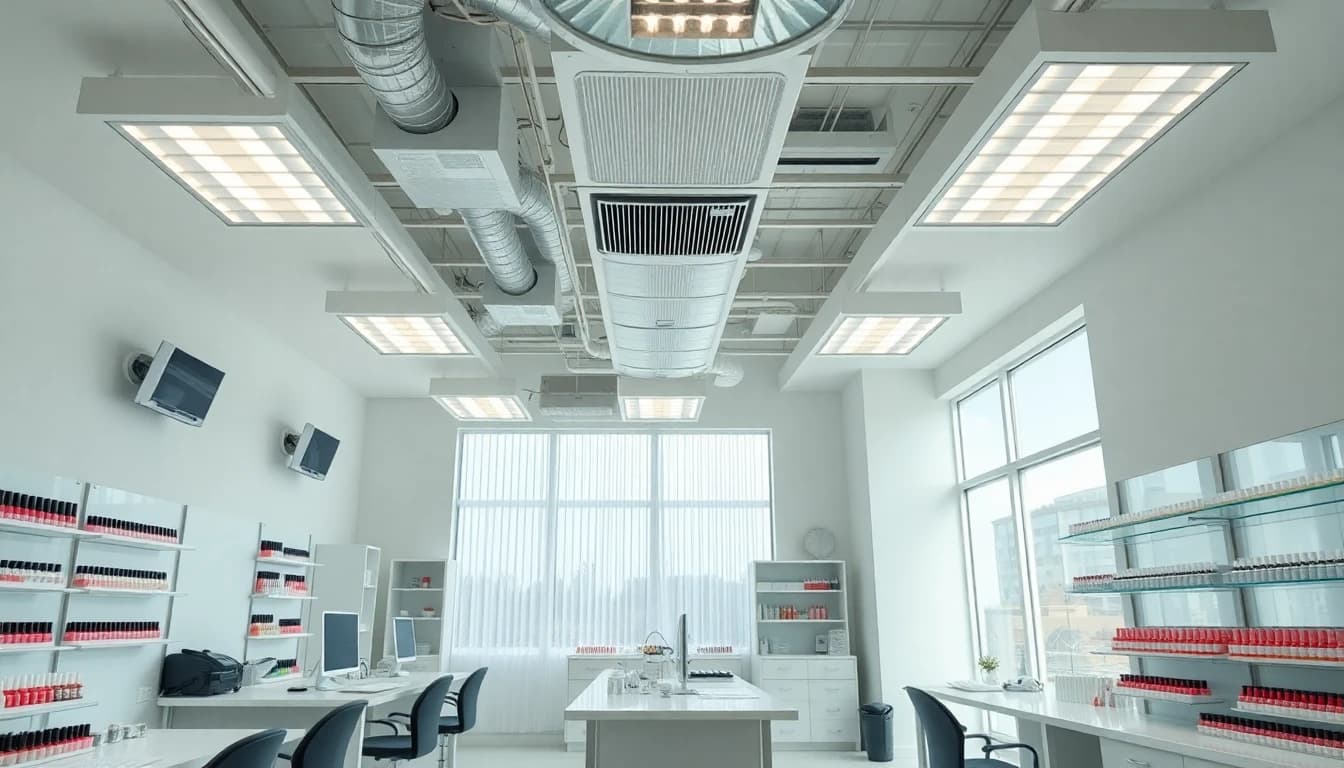
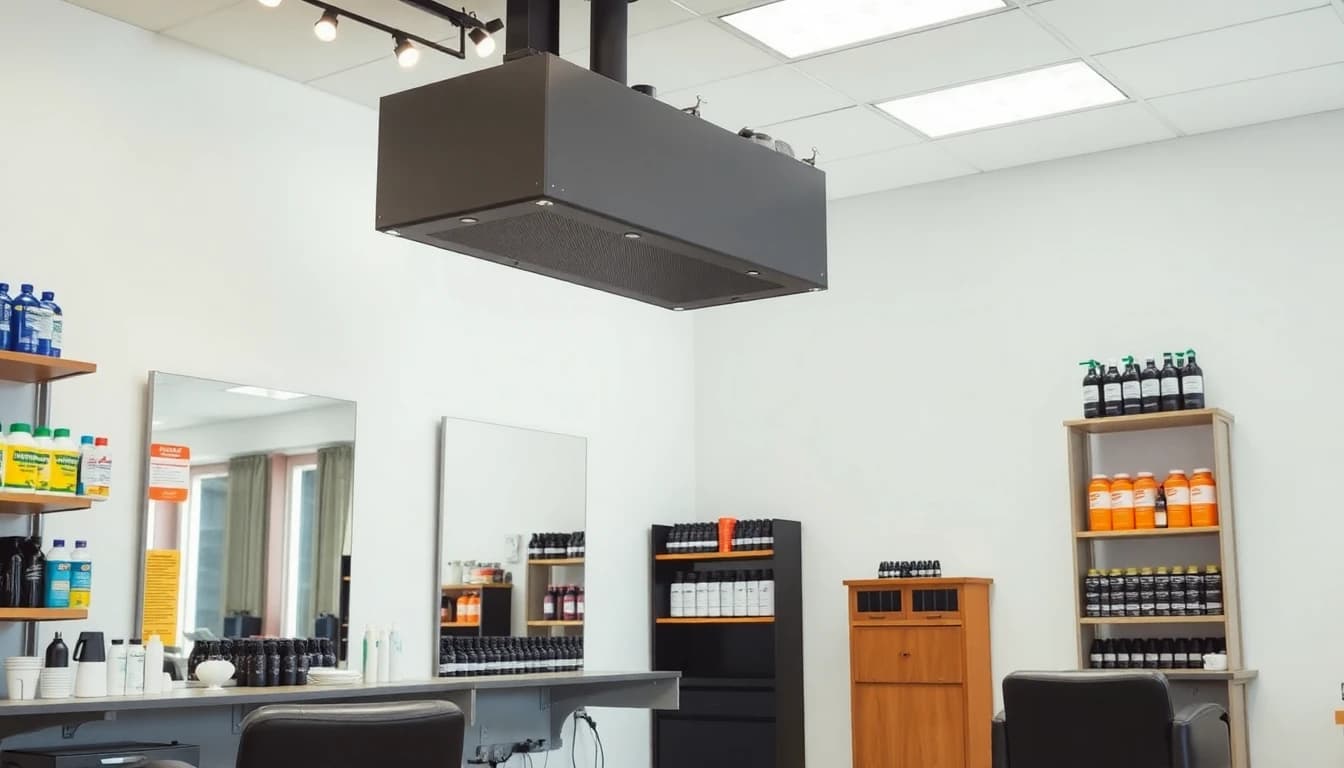
Proper ventilation is critical in salons, especially those offering nail services, chemical straightening treatments, or color processing.
General ventilation standards
OSHA requires that salon ventilation systems provide adequate air exchange to keep chemical exposure below Permissible Exposure Limits (PELs). For nail salons specifically:
- Install a local exhaust ventilation system at each nail station
- Ensure air flows away from the technician's breathing zone
- Maintain 10-12 air changes per hour in service areas
- Keep ventilation systems clean and in good working order
Signs your ventilation is inadequate
- Persistent chemical odor throughout the salon
- Employees experiencing headaches, dizziness, or eye irritation
- Visible fumes or haze in the air during services
- Condensation on windows or mirrors during peak hours
Personal protective equipment
Salon workers need appropriate PPE for different services. OSHA requires employers to provide PPE at no cost to employees and train them on proper use.
Required PPE by service type
Hair color and chemical treatments:
- Chemical-resistant gloves (nitrile, not latex)
- Eye protection when mixing chemicals
- Protective aprons during chemical services
Nail services:
- Nitrile gloves for all nail technicians
- Safety glasses when using drills or filing
- N95 respirators if ventilation is inadequate for acrylic or gel services
Waxing and skin services:
- Disposable gloves for every client
- Eye protection when applicable
Ergonomic hazards and prevention
Repetitive motion injuries are widespread in the salon industry. Stylists, barbers, and nail technicians perform the same motions hundreds of times per day, leading to carpal tunnel syndrome, tendinitis, and chronic back pain.
OSHA's ergonomic guidelines for salons
- Provide adjustable-height styling chairs and shampoo stations
- Ensure proper workstation setup to minimize reaching and bending
- Encourage regular breaks and stretching
- Rotate tasks when possible to vary muscle groups used
- Train employees on proper body mechanics
Workstation setup best practices
- Styling chairs should adjust so the stylist's arms work at elbow height
- Shampoo bowls should be positioned to avoid excessive bending
- Nail stations should allow technicians to rest forearms while working
- Provide anti-fatigue mats at standing workstations
Bloodborne pathogen compliance
Any salon service that could involve skin contact or potential exposure to blood requires a Bloodborne Pathogen Exposure Control Plan. This applies to barber shops, salons offering waxing or threading, and any establishment where nicks or cuts are possible.
Required elements
- Written Exposure Control Plan
- Annual employee training on bloodborne pathogen risks
- Proper disposal of contaminated materials (sharps containers for razors)
- Hepatitis B vaccination offered to at-risk employees at no cost
- Post-exposure procedures documented and communicated
Slip, trip, and fall prevention
Wet floors from shampoo services, hair clippings, and product spills make salons prone to slip-and-fall accidents.
Prevention measures OSHA expects
- Non-slip flooring in wet areas (shampoo stations, pedicure areas)
- Immediate cleanup of spills and hair clippings
- Wet floor signs when mopping or after spills
- Clear walkways free of cords, equipment, and product
- Proper footwear requirements for employees
Fire safety requirements
Salons use flammable products (aerosol sprays, alcohol-based sanitizers, acetone) and electrical equipment (dryers, flat irons, curling irons), creating fire risks.
OSHA fire safety requirements
- Working fire extinguishers (Class ABC) inspected annually
- Clear, marked emergency exits
- Evacuation plan posted and practiced
- Proper storage of flammable products away from heat sources
- Electrical equipment inspected and maintained
Building your salon safety plan
A comprehensive written safety plan is your best defense against OSHA violations. Your plan should include:
- Hazard Communication Program with chemical inventory and SDS binder
- Ventilation maintenance schedule and monitoring records
- PPE requirements by service type with training documentation
- Ergonomic guidelines and workstation setup standards
- Bloodborne pathogen Exposure Control Plan with training records
- Emergency procedures including fire, evacuation, and first aid
- Injury and illness recordkeeping (OSHA 300 logs if you have 10+ employees)
Training documentation
Document all employee training with:
- Date and duration of training
- Topics covered
- Trainer name and qualifications
- Employee signatures confirming attendance and understanding
- Refresher training schedule (annual at minimum)
How ComplyStack helps salons stay compliant
Creating comprehensive safety documentation from scratch is time-consuming and error-prone. ComplyStack generates customized OSHA safety plans, chemical hazard communication programs, and employee training materials tailored specifically to your salon type and state requirements.
Instead of spending hours researching regulations and writing policies, you can generate a complete compliance package in minutes — giving you more time to focus on your clients and your team.