Why food safety plans matter more than you think
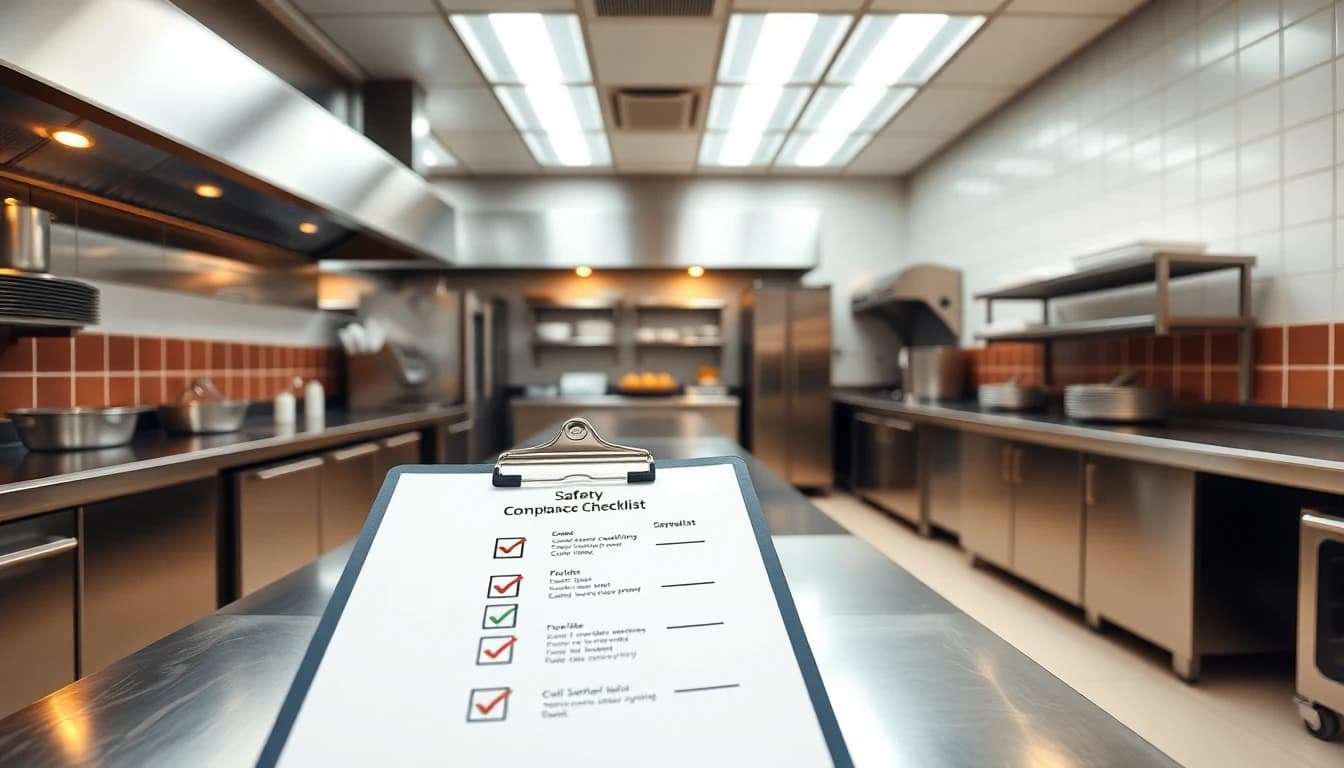
A food safety plan is not just a binder you keep in the office for health inspections. It is an active document that guides how your restaurant handles food every day. Foodborne illness outbreaks have shut down restaurants permanently, generated lawsuits costing hundreds of thousands of dollars, and destroyed reputations built over decades.
The FDA Food Code, adopted in some form by every state, requires food establishments to have systems in place to control foodborne illness risk factors. While not every jurisdiction requires a formal written food safety plan, the trend is moving in that direction — and having one dramatically improves your inspection outcomes.
HACCP principles for restaurants
Hazard Analysis and Critical Control Points (HACCP) is the framework behind modern food safety. While full HACCP plans are typically required for food processing facilities, the principles apply directly to restaurant operations:
1. Conduct a hazard analysis
Identify biological, chemical, and physical hazards at each step of your food preparation process:
- Biological: Bacteria (Salmonella, E. coli, Listeria), viruses (Norovirus, Hepatitis A), parasites
- Chemical: Cleaning chemicals, sanitizers, allergens, pesticides
- Physical: Glass, metal fragments, bone, jewelry, hair, bandages
2. Identify critical control points
Critical control points are steps where you can prevent, eliminate, or reduce hazards to safe levels:
- Receiving (reject food at incorrect temperatures)
- Cold storage (maintain at 41 degrees F or below)
- Cooking (reach required internal temperatures)
- Hot holding (maintain at 135 degrees F or above)
- Cooling (cool from 135 to 70 degrees F within 2 hours, then to 41 degrees F within 4 more hours)
- Reheating (reach 165 degrees F within 2 hours)
3. Establish critical limits
Set measurable limits for each critical control point:
- Minimum cooking temperatures by food type (165 degrees F for poultry, 155 degrees F for ground meat, 145 degrees F for whole muscle meats)
- Maximum time in the temperature danger zone (41-135 degrees F)
- Minimum sanitizer concentrations for dish machines and sanitizing solutions
4. Monitor procedures
Document how and when you monitor each critical control point:
- Temperature logs for coolers, freezers, and hot holding equipment
- Cooking temperature checks with calibrated thermometers
- Receiving temperature checks for all deliveries
- Sanitizer concentration test strip readings
5. Corrective actions
Define what happens when a critical limit is not met:
- Food that does not reach proper cooking temperature is cooked longer
- Food held in the danger zone for more than 4 hours is discarded
- Coolers that rise above 41 degrees F trigger equipment service and food evaluation
6. Verification procedures
Confirm that your system is working:
- Regular thermometer calibration
- Manager review of temperature logs
- Periodic internal inspections
- Review of corrective action records
7. Recordkeeping
Maintain documentation that proves your system works:
- Daily temperature logs
- Corrective action documentation
- Employee training records
- Equipment maintenance records
- Supplier documentation
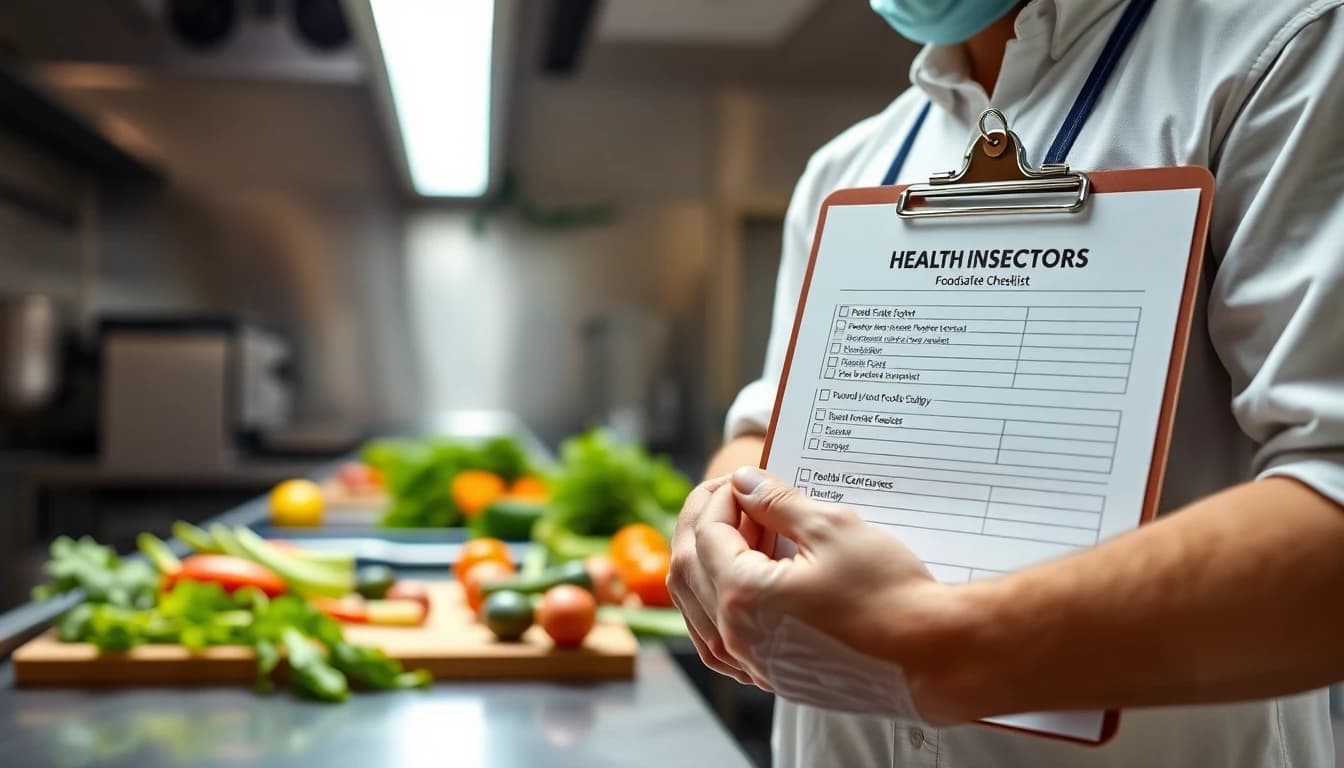
What health inspectors actually look for
Temperature control
Temperature violations are the most common critical violations found during inspections. Inspectors will:
- Check cold holding temperatures in all refrigeration units
- Verify hot holding temperatures on the serving line
- Ask to see temperature logs and check for gaps
- Verify that thermometers are available and calibrated
- Check that cooling procedures are followed correctly
Employee hygiene
Inspectors look for evidence that employees follow proper hygiene practices:
- Handwashing frequency and technique
- Proper glove use and change frequency
- Illness reporting compliance
- Hair restraints and jewelry policies
- Employee eating, drinking, and smoking locations
Cross-contamination prevention
Preventing cross-contamination between raw and ready-to-eat foods is a critical inspection point:
- Proper storage order (ready-to-eat above raw meats)
- Separate cutting boards and utensils for raw and cooked foods
- Handwashing between handling raw and cooked foods
- Proper sanitization of food contact surfaces
Cleaning and sanitizing
Inspectors verify that equipment and surfaces are properly cleaned and sanitized:
- Dish machine temperatures or chemical concentrations
- Manual warewashing procedures (wash, rinse, sanitize)
- Sanitizer test strips available and used
- Cleaning schedules for equipment and non-food contact surfaces
Allergen management
Allergen awareness has become an increasingly important inspection focus:
- Staff knowledge of menu allergens
- Procedures for handling allergen requests
- Prevention of allergen cross-contact
- Accurate allergen information available to customers
Building your food safety plan
Start with your menu
Your food safety plan should be based on your actual menu items and preparation methods. A pizza restaurant faces different hazards than a sushi bar. Document:
- Every menu item and its ingredients
- Preparation steps from receiving through service
- Which items involve critical control points
- Which items contain major allergens
Assign responsibilities
Designate who is responsible for food safety management:
- Person in Charge (PIC) for each shift
- Who takes and records temperatures
- Who conducts receiving inspections
- Who handles corrective actions
- Who manages employee training records
Create standard operating procedures
Write clear, step-by-step procedures for:
- Receiving and inspecting deliveries
- Proper food storage and rotation (FIFO)
- Thawing procedures
- Cooking and temperature verification
- Cooling procedures for leftovers and prepared foods
- Reheating procedures
- Date marking and labeling
- Cleaning and sanitizing schedules
- Handwashing procedures
Train every employee
Food safety training should be ongoing, not just for new hires:
- New hire orientation covering basic food safety
- Position-specific training for cooks, prep workers, and servers
- Annual refresher training for all employees
- Manager food safety certification (ServSafe or equivalent)
- Document all training with dates, topics, and signatures
Common violations that trigger follow-up inspections
Some violations are serious enough to trigger immediate corrective action or follow-up inspections:
- Improper cold holding temperatures (food above 41 degrees F)
- Improper hot holding temperatures (food below 135 degrees F)
- Inadequate cooking temperatures
- Employees working while ill with reportable symptoms
- No certified food manager on staff
- Handwashing sink not accessible or not stocked with soap and towels
- Evidence of pest activity
- Sewage or wastewater issues
- No sanitizer available for food contact surfaces
How ComplyStack creates your food safety plan
Building a food safety plan from scratch requires understanding FDA Food Code requirements, your state and local health department regulations, and the specific hazards in your kitchen. ComplyStack generates customized food safety plans based on your restaurant type, menu complexity, and jurisdiction — giving you a practical plan your team can follow and inspectors will approve.