Restaurants collect more data than you think
Most restaurant owners do not think of themselves as data collectors. But if you accept online reservations, run a loyalty program, process credit card payments, use delivery apps, have a website with analytics, or operate security cameras, you are collecting personal information that may be regulated by state and federal privacy laws.
The rise of restaurant technology has turned even small independent restaurants into data-rich businesses. Every reservation, online order, loyalty program signup, and Wi-Fi login generates personal data that you are responsible for protecting and disclosing.
Data your restaurant probably collects
Reservation and waitlist systems
If you use OpenTable, Resy, Yelp Reservations, or any digital reservation system, you are collecting:
- Customer names and phone numbers
- Email addresses
- Dining preferences and special requests
- Visit history and frequency
- Party size and occasion data
- No-show history
Online ordering and delivery
Online ordering platforms collect extensive customer data:
- Names, addresses, and phone numbers
- Email addresses
- Order history and food preferences
- Payment information (processed through the platform)
- Delivery instructions and location data
- Dietary restrictions and allergen preferences
Point of sale and payments
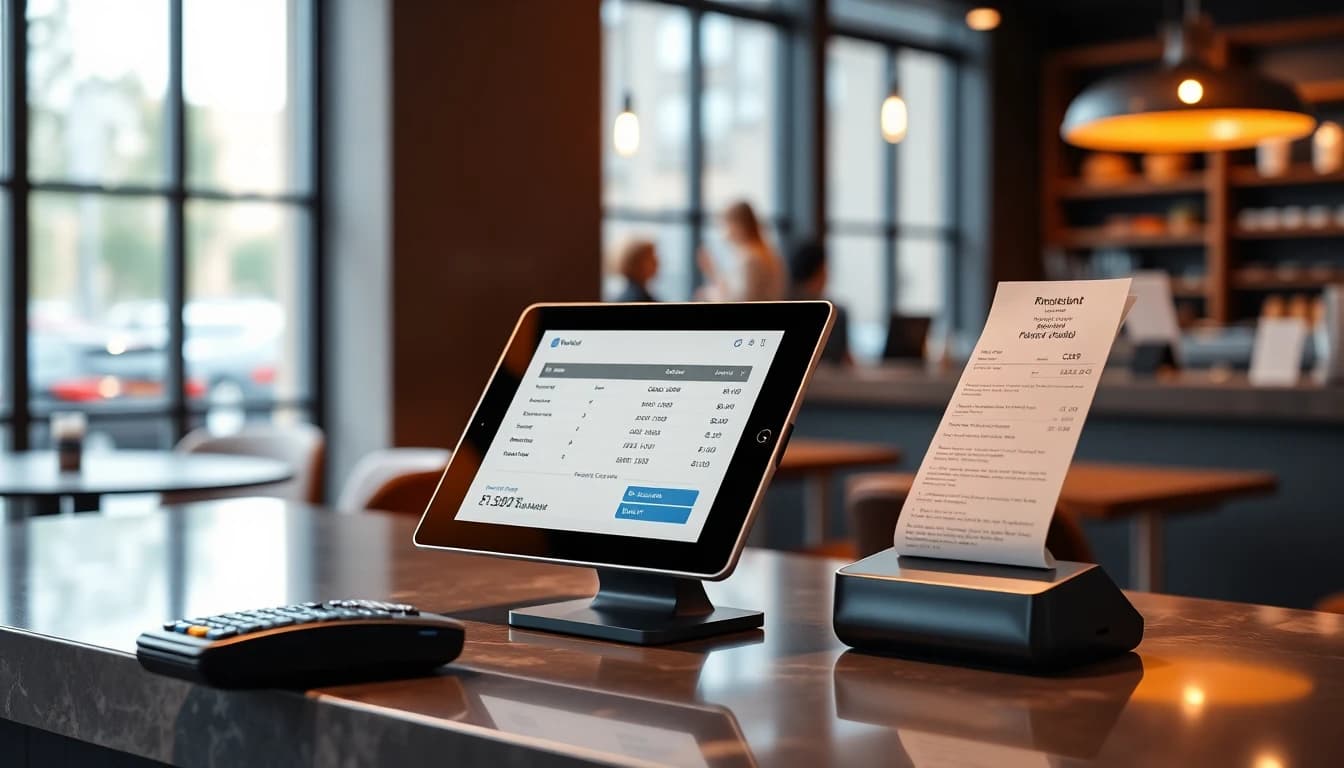
Your POS system and payment processor handle:
- Credit card transaction records
- Customer purchase history
- Itemized order data
- Employee transaction data
Loyalty and rewards programs
Loyalty programs are built on data collection:
- Contact information for enrollment
- Purchase history and spending patterns
- Visit frequency and timing
- Reward redemption behavior
- Birthday and anniversary dates
- Communication preferences
Website and social media
Your digital presence generates data through:
- Google Analytics tracking visitor behavior
- Contact form submissions
- Newsletter signups
- Social media interactions
- Online review responses
- WiFi login information (if you offer guest WiFi)
Physical location
Even your physical restaurant collects data:
- Security camera footage
- WiFi connection logs
- Employee records and payroll data
- Job applications
Why you need a privacy policy
Legal requirements
Multiple state laws now require businesses that collect personal information to maintain a privacy policy:
- California (CCPA/CPRA): If you meet revenue or data processing thresholds, you must disclose your data practices
- Virginia, Colorado, Connecticut, and others: Growing list of states with comprehensive privacy laws
- Google: Requires a privacy policy for any website using Google Analytics
- PCI DSS: Requires policies around cardholder data handling
Third-party requirements
Many of the platforms restaurants use require privacy policies:
- Online ordering platforms require partner restaurants to have privacy disclosures
- Loyalty program software requires privacy policy compliance
- Payment processors require PCI-compliant privacy practices
- Email marketing services (Mailchimp, Constant Contact) require privacy policies for sender compliance
Customer trust
Increasingly, customers care about how their data is used. A visible privacy policy demonstrates professionalism and transparency, particularly important for restaurants collecting data through multiple channels.
What your restaurant privacy policy should cover
Information collection
List every category of personal information your restaurant collects:
- Contact information (name, email, phone, address)
- Payment information (credit card data, billing addresses)
- Reservation and ordering data
- Loyalty program information
- Website usage data (cookies, analytics)
- Security footage
- Employee and applicant data
How you use the information
Explain the purposes for collecting each type of data:
- Processing orders and reservations
- Sending marketing communications
- Operating loyalty and rewards programs
- Improving service and menu offerings
- Complying with legal obligations
- Security and fraud prevention
- Employee management
Third-party sharing
Disclose every third party that receives customer data:
- Online ordering platforms (DoorDash, Uber Eats, etc.)
- Reservation platforms (OpenTable, Resy, etc.)
- Payment processors (Square, Toast, Stripe, etc.)
- Email marketing services
- Analytics providers (Google Analytics)
- Loyalty program providers
- Delivery services
Data security
Describe the security measures you use to protect customer data:
- Payment processing security (PCI compliance)
- Employee access controls
- Data encryption practices
- Security camera footage retention and access
Consumer rights
Based on your state's requirements, explain customer rights regarding their data:
- Right to know what data you collect
- Right to request deletion
- Right to opt out of data sales
- Right to correct inaccurate data
- How to submit requests
Contact information
Provide a clear way for customers to reach you about privacy concerns — an email address, phone number, or physical mailing address.
Special considerations for restaurants
Third-party delivery platforms
When you partner with delivery apps, customer data flows between multiple parties. Your privacy policy should clarify:
- What data the delivery platform collects versus what you collect
- Whether you receive customer contact information from the platform
- How data is shared between your restaurant and the platform
Guest WiFi
If you offer guest WiFi, you may be collecting IP addresses, device identifiers, and browsing data. Disclose this in your privacy policy and consider a WiFi-specific terms of use page.
Security cameras
Security camera footage containing identifiable individuals is personal data in many jurisdictions. Your privacy policy should mention:
- That security cameras are in use
- What areas are monitored
- How long footage is retained
- Who has access to footage
Children's data
If your restaurant markets to or collects data from children under 13 (kids' club signups, birthday party programs), COPPA applies. You need specific disclosures and parental consent mechanisms.
How ComplyStack generates your restaurant privacy policy
ComplyStack creates privacy policies tailored to restaurant operations — covering online ordering, reservations, loyalty programs, payment processing, and all the data touchpoints specific to food service businesses. Every policy is customized for your state's privacy requirements and the specific platforms and services you use.